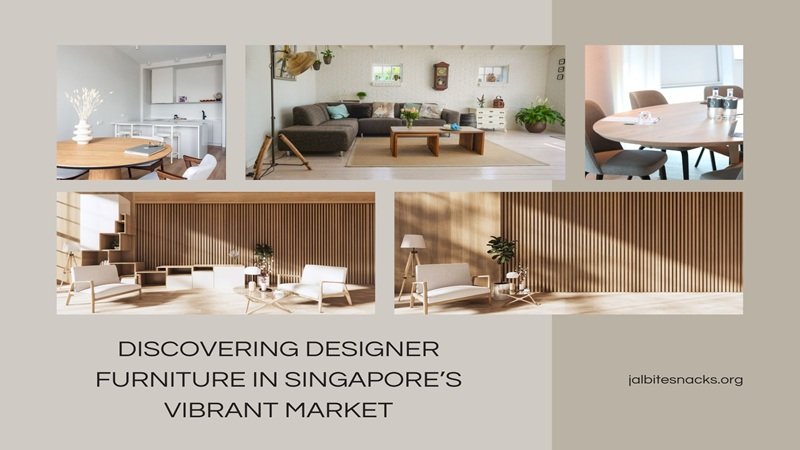
This vibrant sector is a testament to Singapore’s evolution into a global design hub, where contemporary aesthetics seamlessly merge with traditional influences to create furniture that transforms everyday living spaces into curated environments of comfort and style.
The Cultural Melting Pot of Design
Singapore’s identity as a global city is rooted in its rich multicultural heritage, and this diversity is beautifully mirrored in the designer furniture available across the island. The nation’s long history of cultural integration has shaped design philosophies that draw inspiration from Chinese, Malay, Indian, and Western traditions. These influences manifest in furniture pieces that combine intricate detailing with modern silhouettes, resulting in designs that feel both timeless and contemporary.
This fusion of cultures allows designers to craft furniture that is not only visually striking but also deeply meaningful. Many pieces subtly reflect Singapore’s heritage, whether through motifs, materials, or craftsmanship techniques, while still appealing to a modern, cosmopolitan audience. As a result, designer furniture in Singapore often tells a story—one that reflects both personal identity and collective history.
Innovation and Sustainability
Sustainability has become a defining factor in modern design, and Singapore’s furniture industry has embraced this global shift with enthusiasm and responsibility. Local designers are increasingly focused on reducing environmental impact by incorporating eco-friendly materials and ethical production practices. Bamboo, recycled metals, reclaimed wood, and sustainably sourced hardwoods are now common materials in designer collections.
Beyond material choices, many designers prioritise longevity in their creations, ensuring that furniture pieces are built to last rather than follow fleeting trends. This commitment to durability aligns with the concept of sustainable luxury, where quality and environmental responsibility coexist. For eco-conscious consumers, investing in designer furniture becomes not only a lifestyle choice but also a meaningful contribution to a more sustainable future.
Iconic Design Studios and Designers
Singapore is home to several influential design studios and furniture designers who have gained both regional and international recognition. These creatives are shaping the global perception of Singaporean design through their innovative interpretations of form, function, and cultural expression.
Scene Shang, for instance, is celebrated for its neo-Chinese aesthetic, which reinterprets traditional Chinese design elements into contemporary furniture. Clean lines, refined proportions, and subtle cultural motifs define their collections, making them highly sought after by homeowners who appreciate heritage-inspired modern living. Their craftsmanship and attention to detail have firmly positioned them as leaders in the luxury furniture space.
On the other end of the design spectrum, Ipse Ipsa Ipsum specialises in bespoke, artisanal furniture that embodies modern luxury. Their creations often feature rare marbles, premium metals, and sustainable hardwoods, meticulously crafted to ensure longevity and timeless appeal. By blending elegance with sustainability, their designs resonate with clients who value exclusivity, craftsmanship, and ethical production.
Together, these studios represent Singapore’s ability to balance tradition and innovation, offering furniture that speaks to both local and global audiences.
Retail Experience and Online Presence
Shopping for designer furniture in Singapore is an experience that extends far beyond simple retail transactions. The city hosts an impressive array of showrooms, concept stores, and design galleries that provide immersive environments where customers can interact with furniture pieces in thoughtfully curated settings. These spaces allow visitors to visualise how a sofa, dining table, or lighting fixture might transform their own homes, making the purchasing journey both inspiring and engaging.
At the same time, digital innovation has revolutionised the way consumers access designer furniture. Many brands now offer comprehensive online platforms featuring detailed product visuals, virtual showroom tours, and even 3D configuration tools. These digital experiences allow customers to explore customisation options, experiment with layouts, and make informed decisions from the comfort of their homes. This seamless blend of physical and digital retail ensures that Singapore’s designer furniture market remains accessible to both local and international buyers.
The Role of Interior Design in Furniture Selection
In a city where space is often limited, interior design plays a critical role in furniture selection. Homeowners in Singapore seek pieces that maximise functionality without sacrificing style, making minimalistic and multifunctional designs especially appealing. Modular sofas, extendable dining tables, storage-integrated beds, and convertible furniture solutions are increasingly popular, as they cater to compact living environments while maintaining visual elegance.
Interior designers frequently collaborate with furniture designers to create bespoke solutions tailored to individual lifestyles and spatial requirements. This synergy ensures that every piece enhances both the aesthetic and practical aspects of a home. Whether designing a cosy apartment or a spacious private residence, the thoughtful integration of designer furniture allows spaces to feel cohesive, purposeful, and reflective of the homeowner’s personal taste.
Emerging Trends in Designer Furniture
Several trends are currently shaping the evolution of designer furniture in Singapore. One notable trend is the integration of technology into furniture design. Smart furniture solutions now incorporate features such as built-in charging ports, wireless connectivity, adjustable lighting, and even temperature-regulating materials. These innovations cater to a tech-savvy population that values convenience and efficiency alongside visual appeal.
Another emerging trend is the shift toward organic shapes and natural forms. Designers are increasingly drawing inspiration from nature, incorporating fluid lines, soft curves, and earthy textures into their creations. This movement away from rigid geometries introduces a sense of calm and balance into living spaces, offering a visual counterpoint to the structured, fast-paced urban environment of Singapore.
Additionally, there is a growing appreciation for handcrafted and artisanal furniture. Consumers are seeking pieces that showcase craftsmanship, individuality, and character, favouring unique designs over mass-produced items. This trend reinforces the value of designer furniture as both a functional asset and a form of artistic expression.
The Influence of Global Design Movements
While local culture plays a significant role in shaping Singaporean design, global movements continue to influence furniture aesthetics. Scandinavian minimalism, with its emphasis on simplicity, functionality, and natural materials, has made a strong impression on local design sensibilities. This influence is evident in the clean lines, neutral palettes, and understated elegance found in many Singaporean furniture collections.
Mid-century modern design also remains a favourite among homeowners and designers alike. Its timeless appeal, organic forms, and focus on craftsmanship align seamlessly with contemporary design philosophies. By blending these global influences with local character, Singaporean designers create furniture that feels both familiar and distinctive, appealing to a broad and diverse audience.
Challenges and Opportunities in the Market
Despite its success, the designer furniture market in Singapore faces several challenges. High production costs, rising material prices, and the need to maintain sustainable practices require designers to balance creativity with commercial viability. The competitive nature of the market further necessitates constant innovation to remain relevant and appealing to discerning consumers.
However, these challenges also present valuable opportunities for growth and differentiation. Singapore’s strategic location within Asia allows designers to influence regional trends while gaining inspiration from neighbouring cultures and markets. The nation’s strong emphasis on education, creativity, and innovation supports the continuous development of new design talents, ensuring the industry’s evolution remains dynamic and forward-thinking.
Furthermore, the increasing global interest in Asian design aesthetics provides Singaporean designers with a platform to showcase their unique perspectives on an international stage. By combining cultural authenticity with contemporary innovation, they can carve out a distinctive niche in the global design landscape.
Conclusion
The world of designer furniture in Singapore is as vibrant, diverse, and dynamic as the city itself. It is an industry where traditional craftsmanship intersects seamlessly with modern innovation, resulting in furniture that elevates living spaces into expressions of art, comfort, and functionality. From sustainable practices and smart technology integration to cultural fusion and bespoke design, Singapore’s furniture market continues to evolve in response to changing lifestyles and global influences.
This continual adaptation ensures that Singapore maintains its position as a leader in the world of design, offering furniture that not only meets practical needs but also inspires creativity and personal expression. For homeowners, designers, and collectors alike, discovering designer furniture in Singapore is an exploration of beauty, craftsmanship, and the ever-evolving art of living well.